
Transporting your horse safely requires thoughtful preparation, careful driving, and the right equipment. Whether you’re heading to a show, a trail ride, or the vet, proper trailering practices can make the experience calmer and safer for both you and your horse. Below, we break down key considerations every owner should keep in mind, plus expert-backed tips to help your horse travel comfortably and confidently.
-
Choose the Right Trailer for Your Horse
A properly sized and well-ventilated trailer is essential for safety and comfort. Horses need adequate room to balance, shift weight, and lower their heads, which helps clear their airways during transit [1]. Ensure your trailer is structurally sound, the flooring is sturdy and non-slip, and all latches are functioning properly. -
Practice Good Loading and Unloading Habits
Loading calmly and consistently helps reduce anxiety during travel. Give your horse time to familiarize themselves with the trailer before expecting them to step inside. During unloading, maintain a safe distance and avoid rushing — many trailer injuries happen when horses back out too quickly or lose balance [2]. -
Prepare Your Horse Physically with Warm-Up, Wellness Support, and Temperature-Appropriate Blanketing
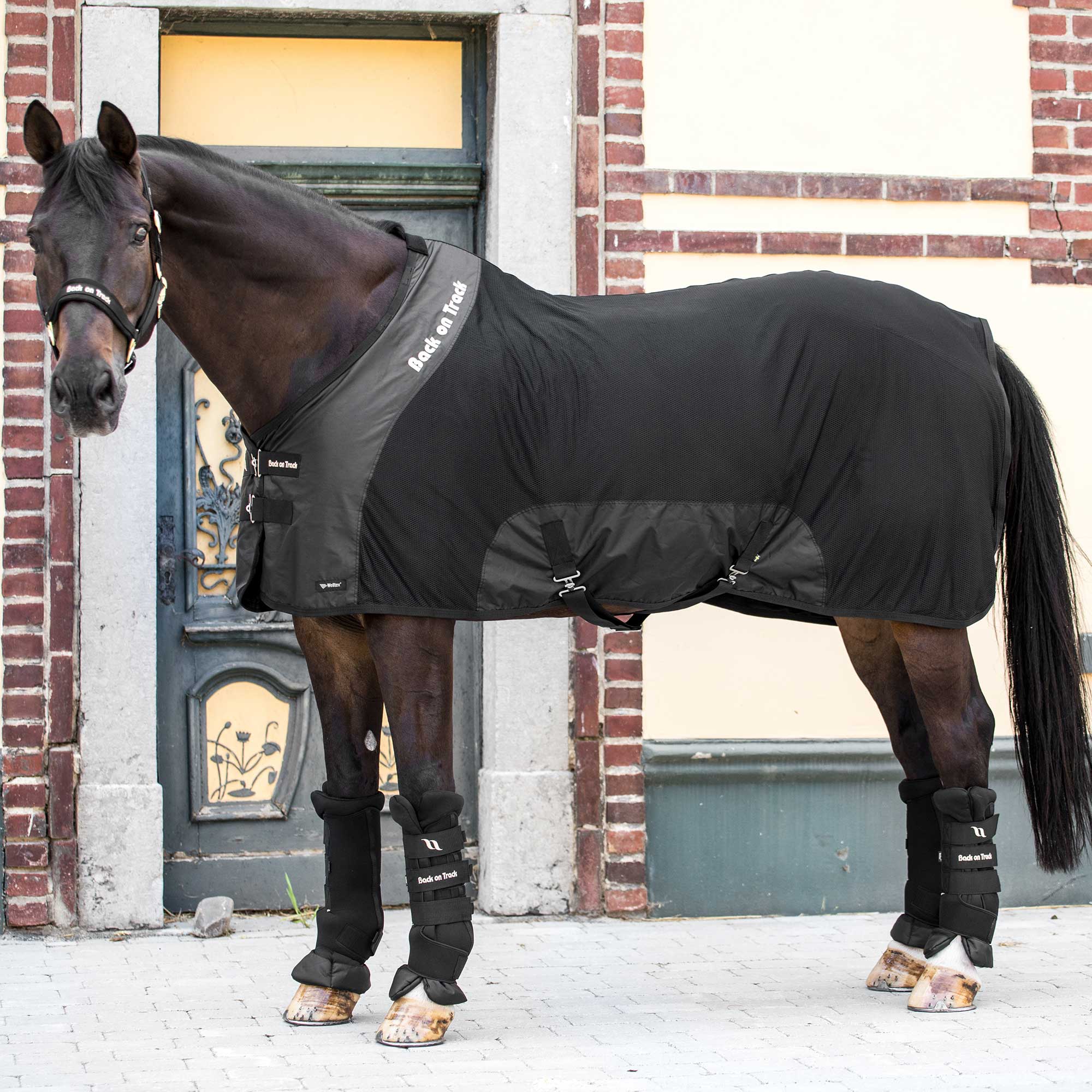
Travel can be physically demanding, and horses often experience fluctuating temperatures between departure and arrival. As weather changes throughout your journey, it’s important to monitor your horse’s temperature comfort throughout the trip and adjust blankets accordingly. Horses can become chilled in colder climates or overheat quickly when overdressed, especially in enclosed trailers.
- As a general guideline:
- Below 40°F (4°C): Most horses benefit from a medium or heavy turnout blanket, depending on coat thickness and whether they’re clipped.
- 40–55°F (4–13°C): A light to medium blanket is usually appropriate.
- 55–65°F (13–18°C): Many horses travel comfortably in a light sheet or unblanketed unless clipped.
- Above 65°F (18°C): Horses typically do not need a blanket, especially in a moving, enclosed trailer.
-
Protect Your Horse’s Legs During Transit
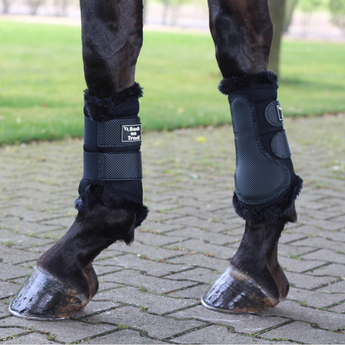
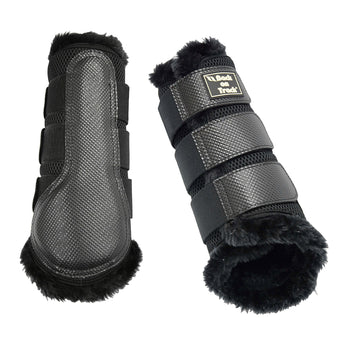
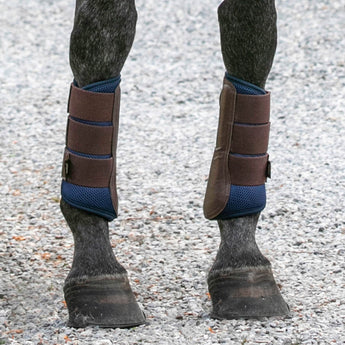
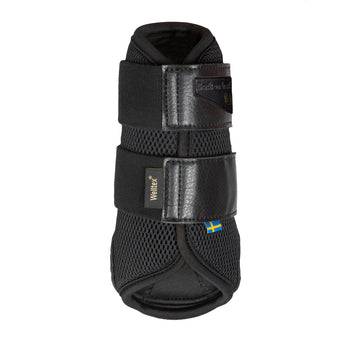
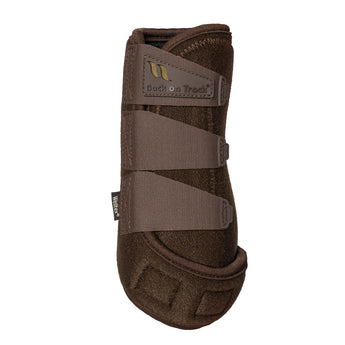
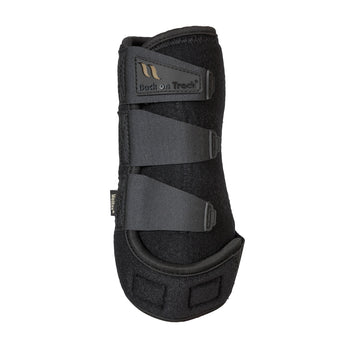
Horses naturally shift weight during travel, making leg protection essential. Shipping boots or wraps help guard against bumps, scrapes, and knocks from sudden braking. You can also use Royal Quick Wraps Deluxe, which provides supportive lower-leg protection with the added benefit of Welltex® technology to promote circulation and help maintain supple tissues while trailering [3]. -
Maintain Safe Driving Practices
How you drive matters as much as how you prepare your horse. Sudden stops, sharp turns, or rapid acceleration can cause your horse to scramble for balance, increasing stress and injury risk. Smooth, defensive driving helps horses stay steady and reduces fatigue [3]. -
Monitor Temperature and Ventilation
Proper airflow prevents overheating, respiratory irritation, and excess humidity. Ensure the trailer is well-ventilated in both cold and warm weather. Overheating is a common but preventable issue — horses generate a lot of body heat during travel [4]. -
Provide Adequate Hydration and Rest Breaks
Long trips require scheduled breaks. Offer water at least every four hours, particularly in hot weather, and allow your horse to relax and re-balance when stopped. Dehydration can quickly become a risk during long hauls [5]. -
Check Tack, Halters, and Tie Systems
Use a breakaway halter or leather halter to minimize injury risk. Avoid tying a horse too tightly — they should be able to maintain balance and move their head freely. Always double-check snaps, ropes, and ties before departing [6]. -
Consider Traveling with a Companion
Some horses travel more peacefully with another horse beside them. Companionship can reduce stress behaviors, pawing, and vocalizing during transit [7]. -
Keep Emergency Supplies on Hand
A well-stocked emergency kit is a must. Include:- Spare halters, ropes, and tools
- Contact numbers for vets and roadside assistance
- Preparedness ensures you can respond quickly in case of an unexpected situation [8].
-
Pick and Inspect Hooves Before Trailering
Before loading your horse, always pick and inspect all four hooves. Rocks, packed dirt, or debris trapped in the hoof can cause discomfort, bruising, or lameness during transport, as horses constantly shift weight to maintain balance. Cleaning hooves before trailering helps your horse stand comfortably and reduces the risk of soreness or abscesses after travel [9]. -
Use a Quick Release Knot for Trailer Safety
Proper tying is essential for horse trailer safety. Always use a quick release knot or panic snap so your horse can be released immediately in an emergency. Horses may lose balance, spook, or scramble during loading, unloading, or sudden stops, and quick release ties help prevent serious injury.
To tie a quick release knot, secure the lead rope at chest height. Pass a loop of the rope (not the tail) through the tie ring, fold a section back through the loop, and leave a short pull tail. The knot should hold under normal pressure but release instantly with one pull [6,10].
References
- Back on Track. Welltex® Technology: How It Works. Back on Track USA.
- Pfeffer, 2025. Horse Trailering Safety Tips.
- USDA: https://www.aphis.usda.gov/
- Paladino & Raidal, 2020. Effects of Transport Conditions on Behavioral and Physiological Responses of Horses.
- Padalino et al, 2015. Health Problems and Risk Factors Associated with Long Haul Transport of Horses in Australia.
- Smartpak Equine, 2023. When and How to Safely Tie Horses in the Trailer.
- Paladino & Raidal, 2020. Effects of Transport Conditions on Behavioral and Physiological Responses of Horses.
- National Horse Council. Equine Emergency Preparedness for Transport.
- Vetericyn, 2023. Stone Bruises in Horses: Understanding and Alleviating the Pain.
- Bickell: Safe Horse Handling